Sacred Without a Steeple: How Gen Z Is Building Their Own Spiritual Worlds Through Art and Sound
When the Church Can't Hold You Anymore
There's a moment that a lot of young people in America know intimately — sitting in a pew, or a folding chair in a megachurch gymnasium, or a Zoom service their parents made them attend, and feeling absolutely nothing. Or worse, feeling like the space wasn't built for them at all. For Gen Z, that moment didn't kill the hunger for something bigger than themselves. It just redirected it.
What's emerging on the other side of that disillusionment isn't nihilism. It's not a generation of kids who've decided meaning is dead. It's actually kind of the opposite — a wildly creative, deeply communal reimagining of what sacred space can look like when you strip away the institution and start from scratch.
And it's happening in the most unexpected places.
The Basement Is the New Cathedral
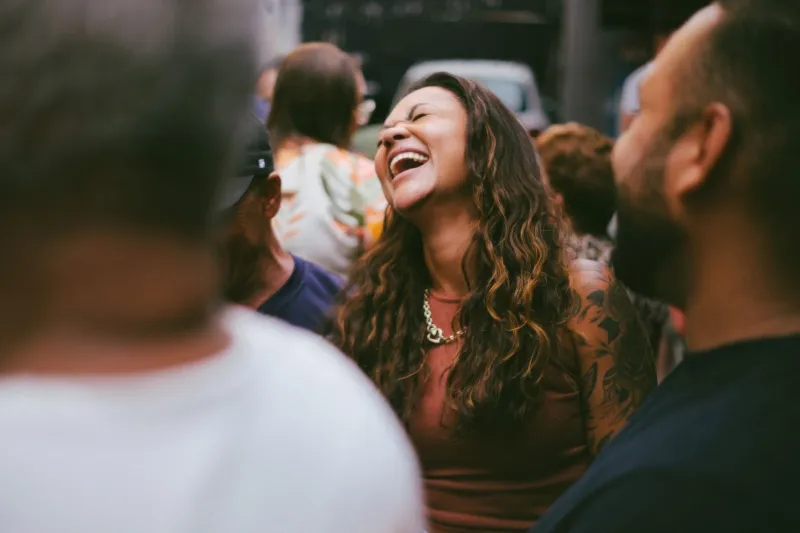
Ask anyone who's been to a basement show in Detroit, a warehouse rave in East LA, or an underground jazz night in Atlanta, and they'll often reach for the same vocabulary: transcendent, spiritual, like church but real. That's not an accident. There's something genuinely ritualistic about those spaces — the low lighting, the shared breath of a crowd moving together, the way a bass line can make your chest feel like it's holding something sacred.
For a generation that grew up watching institutions fail them — churches covering up abuse, religious leaders weaponizing faith for political power, congregations that preached love and practiced exclusion — the underground concert isn't just a fun Friday night. It's an act of reclamation. It's saying: we still want this feeling, we just don't want it handed to us by people who've proven they can't be trusted with it.
Musicians are noticing. Artists like Yves Tumor, Ethel Cain, and even mainstream figures like Beyoncé with Renaissance have leaned hard into spiritual language and ritual aesthetics — not to replicate traditional religion, but to reach for something beyond the ordinary that doesn't require you to check your identity at the door. That resonates. Deeply.
Discord Servers and the New Congregation
If the basement show is the Sunday service, then the Discord server is the community hall — the place where the real conversation happens after the music stops.
Young people are gathering in online spaces that function with striking similarity to religious communities. There are shared values, shared language, care networks, accountability structures, and yes, arguments about doctrine (usually about who the real fans are and whether someone sold out). But underneath the memes and the drama, there's genuine meaning-making happening. People are showing up for each other, processing grief together, celebrating each other's wins, building something that feels, to them, like belonging.
Some of these communities have gotten explicit about the spiritual dimension. There are Discord servers built around collective tarot practice, sound healing, and ancestral connection. There are online spaces organized around specific musical artists that have developed their own almost liturgical rhythms — weekly listening parties, communal journaling prompts, rituals tied to album anniversaries. It sounds niche until you realize these communities sometimes have tens of thousands of members who are more engaged with each other than most people are with their actual church congregations.
Art as Altar
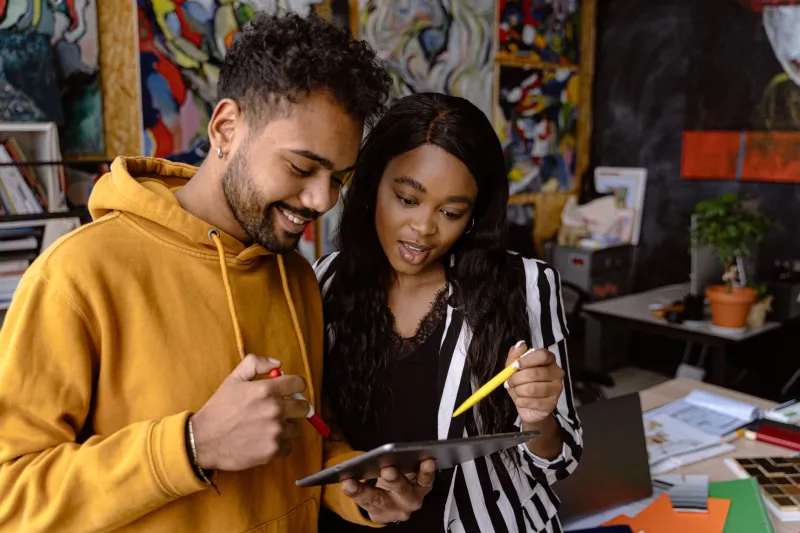
Walk through a community mural project in Chicago's Pilsen neighborhood or a collaborative installation at a Black-owned gallery in Harlem and you'll feel it — that particular weight of intention that makes a space feel consecrated. That's not metaphor. These spaces are being designed, consciously and explicitly, to function as places of collective meaning.
Young artists are building altars into their work. Not always literally, though sometimes literally — Afro-diasporic spiritual traditions, Indigenous practices, and syncretic personal belief systems are showing up in visual art, performance, and music in ways that feel less like aesthetic borrowing and more like genuine spiritual expression. For many BIPOC creators especially, reclaiming ancestral spiritual practices through art is an act of healing that organized Western religion specifically worked to destroy.
Collaborative art projects are particularly powerful in this context because they replicate something that communal religious practice does well: they give people a shared purpose, a reason to show up, and a record of their presence. The mural doesn't just beautify a wall. It says we were here, we made something together, this place holds us.
Making Your Own Spiritual Language
What's genuinely new about this moment — and what makes it different from previous generations of spiritual seekers who also drifted from organized religion — is the creative intentionality behind it. Gen Z isn't just passively absorbing spiritual experiences. They're actively constructing spiritual languages.
That looks like a 22-year-old in Portland building a personal practice out of Korean shamanic tradition, Black church music, and the collected lyrics of Frank Ocean. It looks like a queer collective in New Orleans organizing seasonal rituals that center their community's specific joys and griefs. It looks like a Twitch streamer who does guided meditation sessions before lo-fi music streams and has accidentally built a congregation of night owls who needed exactly that.
None of these people are waiting for permission. None of them are asking an institution to validate their spiritual experience. They're doing what humans have always done when official channels fail them — building something themselves, out of whatever materials are available, shaped by what they actually need.
The Gatekeepers Didn't Own the Sacred Anyway
Here's the thing that organized religion has always known but tried hard to obscure: the experience of transcendence, of connection to something larger, of communal meaning — none of that actually belongs to any institution. It's not a product that churches manufacture. It's a human capacity that communities can activate.
Gen Z figured that out. And once you figure it out, you can't un-know it.
The creative communities being built right now — in basement venues and Discord channels and collaborative murals and underground raves and online listening parties — are doing something genuinely profound. They're demonstrating that the hunger for spiritual experience is not going away just because the traditional containers for it are cracking. They're showing that when you stop waiting for someone else to hand you the sacred, you might find you already know how to make it.
That's not a rejection of spirituality. That's maybe the most spiritual thing you can do.
And honestly? The vibes are immaculate.