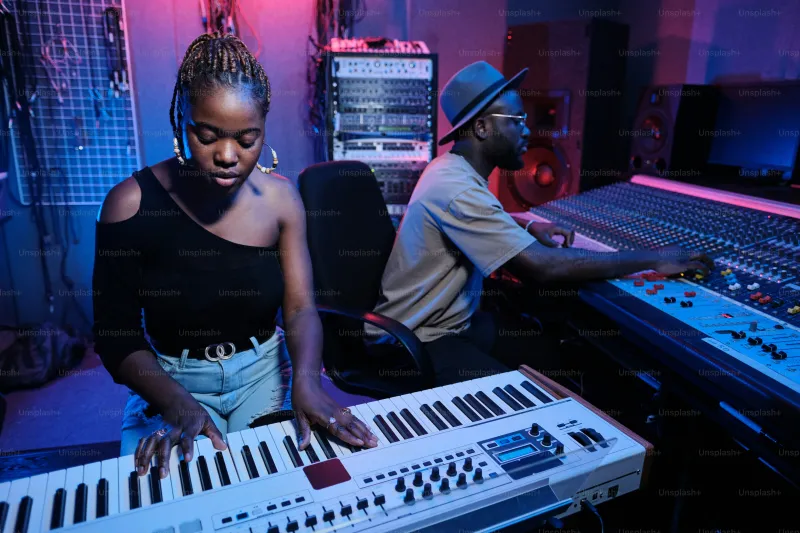
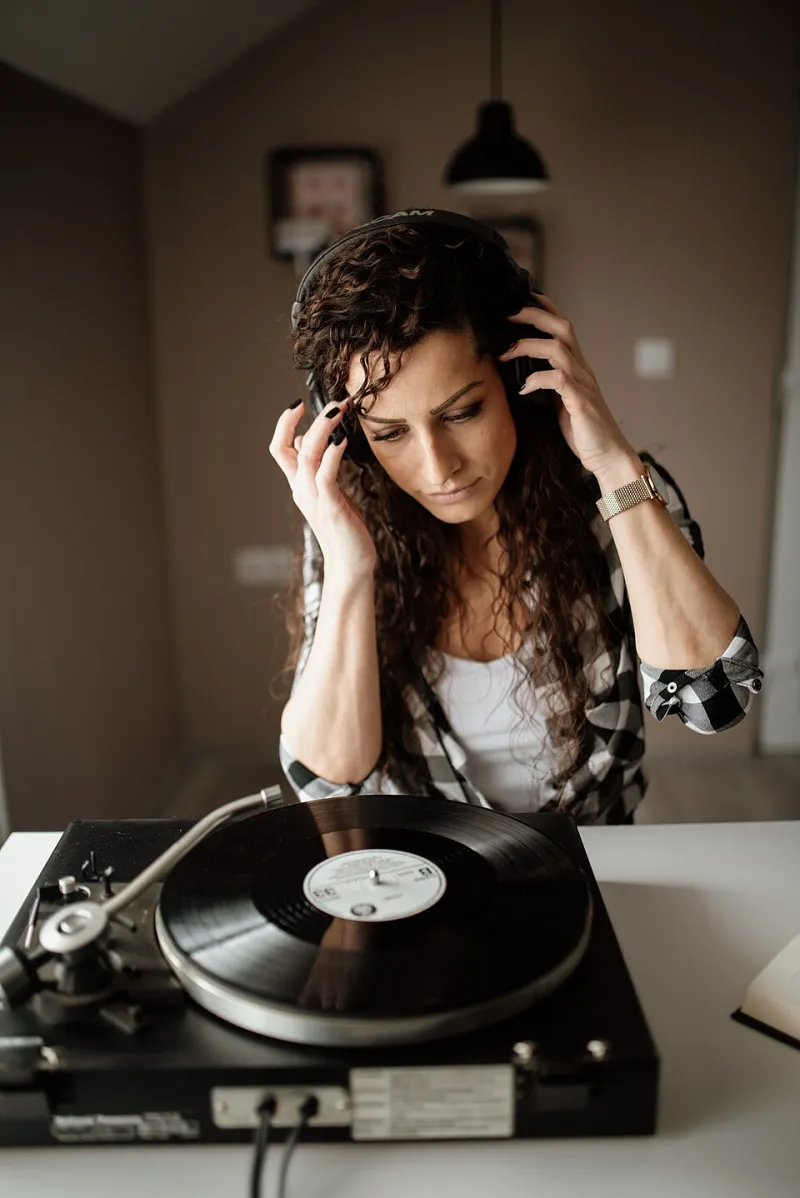
No Label, No Gallery, No Problem: How Indie Artists Are Finally Getting Paid on Their Own Terms
There was a time — not even that long ago — when 'making it' as an artist meant one thing: somebody powerful had to pick you. A label A&R rep had to love your demo. A gallery director had to think your work was worth wall space. A casting director had to slide into your DMs with an offer. The entire creative economy ran on gatekeepers, and most artists spent years auditioning for rooms that never opened the door.
That era isn't just fading. For a lot of artists right now, it's already gone.
Across music, visual art, and performance, a new generation of independent creators is building careers that don't just survive without institutional backing — they actually thrive without it. We're talking consistent income, loyal audiences, and creative freedom that no advance check or gallery contract could ever buy. The tools exist. The community infrastructure is there. And the artists who figured this out early are now the ones quietly laughing while everyone else waits on a callback.
The Direct-to-Fan Model Isn't a Backup Plan Anymore
Ask any indie musician who started a Patreon three years ago how they feel about it now, and you'll probably get some version of the same answer: I wish I'd done it sooner.
Direct-to-fan platforms — Patreon, Bandcamp, Substack, Ko-fi — used to feel like consolation prizes. Something you did because you couldn't land the 'real' deal. But the math has shifted dramatically. A musician with 800 dedicated Patreon subscribers paying $10 a month is pulling in close to $100K annually before merch, live shows, or sync licensing. That's not a side hustle. That's a career.
Take someone like Chicago-based singer-songwriter Maya Delacroix (a composite of dozens of real artists operating this way). She spent four years pitching to indie labels, getting polite rejections, and watching her streaming numbers stagnate. When she pivoted to a direct-to-fan model — offering exclusive recordings, handwritten lyric sheets, and monthly video Q&As to paying subscribers — her income tripled within 18 months. More importantly, she stopped making music for algorithms and started making it for the 600 people who actually cared.
Visual artists are running the same play. Illustrators and painters on platforms like Patreon or even through their own Shopify storefronts are selling limited prints, early access to new work, and process content — turning their studios into subscription businesses. The gallery system, which historically took 40-60% commissions and controlled who got to call themselves a 'serious' artist, is becoming increasingly irrelevant to creators who've built their own collector base online.
Community Patronage: The Old Model Made New
Here's something interesting: what feels radically new about direct support models is actually ancient. Community patronage — the idea that an artist's community sustains them in exchange for culture — is how art worked for most of human history. The internet didn't invent this. It just scaled it.
What's changed is who gets to access that patronage. Historically, the artists who benefited from community support were the ones already centered by mainstream culture — which meant a lot of Black, brown, queer, and working-class artists were locked out. Now, those same artists are often the ones most effectively using digital tools to build direct relationships with audiences who genuinely see themselves in the work.
Performance artists and theater makers — a group that's notoriously difficult to monetize — are finding creative solutions through community funding. Crowdfunded productions, sliding-scale ticket models, and mutual aid networks within arts communities are allowing experimental and culturally specific work to get made outside the nonprofit grant system, which comes with its own gatekeepers and politics.
Collectives are another piece of this puzzle. When artists pool resources — shared studio space, joint email lists, collaborative merchandise drops — they create a support infrastructure that mirrors what a label or agency would provide, without surrendering creative control or a percentage of their earnings.
The Practical Toolkit (Because Vibes Don't Pay Rent)
Let's get specific, because inspiration without strategy is just a mood board.
The artists building sustainable independent careers in 2024 are generally working across multiple revenue streams simultaneously. Here's what that actually looks like in practice:
Licensing and sync — Getting music placed in film, TV, ads, and video games is no longer exclusively a major-label game. Platforms like Musicbed, Artlist, and even direct outreach to YouTube creators and podcast producers have opened licensing revenue to independent musicians who own their masters.
Teaching and workshops — Artists who are good at their craft and can communicate it have a built-in second income. Online workshops, masterclasses, and one-on-one coaching through platforms like Teachable or even simple Zoom setups generate consistent revenue while deepening community relationships.
Limited edition physical goods — There's a reason merch tables at shows still clean out by the end of the night. People want objects that connect them to art they love. Smart independent artists treat physical goods — prints, zines, handmade items — as both revenue and relationship-building tools.
Email lists over social media — Every artist who's been around long enough has watched a platform tank their reach overnight. The ones who survived built email lists. An email list is an audience you actually own, and it converts to sales at a rate social media simply can't touch.
The Mindset Shift That Makes All of It Work
Here's the part nobody talks about enough: the practical tools only work if you've done the internal work first.
The artists who successfully build independent careers have usually gone through a specific mindset shift — from thinking of themselves as supplicants waiting to be discovered, to thinking of themselves as the center of their own creative enterprise. That sounds simple. It's actually a pretty radical reorientation for people who've been told their entire lives that validation has to come from outside.
It means getting comfortable charging what your work is actually worth. It means treating your audience like partners rather than passive consumers. It means making strategic decisions about your time and energy with the same intentionality a small business owner would.
And it means being okay with a different definition of success — one that's measured in creative freedom, financial stability, and genuine community connection rather than chart positions or gallery prestige.
The Permission You Were Waiting For? It Was Never Theirs to Give
The old gatekeeping system wasn't just inefficient — it was designed to benefit the institutions doing the gatekeeping. Labels took the masters. Galleries took the commissions. Agencies took the cuts. Artists got the exposure, which, as the joke goes, is also how you die of frostbite.
What's happening right now isn't just a shift in platforms or business models. It's a fundamental redistribution of power in creative industries — one that's long overdue and, frankly, still incomplete. There are real barriers that independent artists face: startup capital, digital literacy gaps, the emotional labor of building an audience from scratch, and the reality that not every genre or art form lends itself equally to direct-to-fan monetization.
But the trajectory is clear. The artists who are building something real right now are doing it by refusing to wait. They're building the infrastructure themselves, finding their people, and creating careers on terms that actually make sense for them.
The gatekeepers didn't leave because they wanted to. They left because artists stopped knocking.