Art Belongs to Everyone: How Gen Z Is Tearing Down the Velvet Rope Around Fine Art
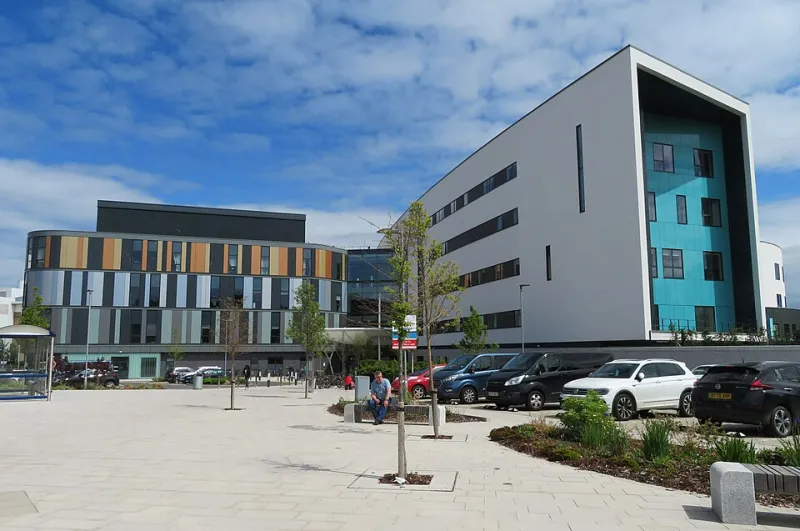
Photo: M J Richardson, CC BY-SA 2.0, via Wikimedia Commons
The Gallery Used to Feel Like a Test You Hadn't Studied For
You know the feeling. You walk into a white-walled gallery, stare at a canvas that looks like someone spilled paint on it, and the little placard next to it says something like Untitled No. 7 — exploring the liminal space between absence and presence. And you think: am I supposed to get this? Is there something wrong with me that I don't?
For generations, fine art carried this invisible tax — a cultural literacy requirement that felt impossible to meet unless you had the right education, the right zip code, or the right last name. Gen Z is done paying it.
TikTok as the Great Equalizer
Let's start where most things start now: the phone. TikTok, Instagram Reels, and YouTube Shorts have quietly become some of the most dynamic art education platforms in existence — and nobody planned it that way. Creators like Nerdwriter1 on YouTube have been doing slow, thoughtful visual analysis for years, but TikTok accelerated the format into something faster, wilder, and way more democratic.
Accounts like @theartstory and a growing constellation of young art historians and self-taught enthusiasts are racking up millions of views breaking down everything from Basquiat's symbolism to the politics embedded in Renaissance portraiture. The comment sections are the real magic — packed with people saying I never understood why this was considered important until right now or wait, can someone explain what they mean by negative space? These aren't passive audiences. They're people actively learning, arguing, and building genuine enthusiasm for art on their own terms.
What's radical about this is the vibe shift it creates around expertise. You don't need a degree to have a take. You don't need to have visited the Louvre to have opinions about what makes a painting emotionally resonant. Gen Z's relationship with knowledge has always been more collaborative and less hierarchical — and that's completely changing who gets to participate in art conversations.
Pop-Ups in the Most Unexpected Places
Online is only half the story. On the ground, young artists and organizers are bringing physical art experiences into spaces that have never hosted them before — and that's exactly the point.
In cities like Chicago, Atlanta, and Los Angeles, art collectives are setting up rotating exhibitions in barbershops, bodegas, laundromats, and community centers. These aren't watered-down versions of gallery shows. They're fully curated experiences, just located somewhere you might already be picking up your dry cleaning. The effect is disarming in the best way. You're not walking into a space that signals this is serious and important and you should behave accordingly. You're just... encountering art as part of your regular day.
Organizations like For Freedoms, which operates across the US and uses art as a vehicle for civic engagement, have been instrumental in this approach. Their billboard projects bring politically engaged artwork to highways and street corners in communities that rarely see themselves centered in public art. It's a refusal to let fine art exist only in spaces that already have cultural capital.
In Brooklyn, collectives like BFAMFAPhD have been interrogating the economics of the art world for years, pushing back against the idea that art education and art appreciation should only be available to those who can afford elite institutions. Their work — part research, part activism, part art practice — has influenced a new generation of organizers who see accessibility as a non-negotiable value, not an afterthought.
The DIY Art Movement Is Having a Full Moment
Here's something that would have seemed counterintuitive a decade ago: the rougher and more handmade something looks, the more credibility it carries with younger audiences. The polished, institutional aesthetic that defined prestige art spaces for so long feels cold and exclusionary to a generation that grew up watching creators make things on camera, mistakes and all.
Zine culture is back. Community murals are everywhere. Risograph printing has gone from niche to genuinely trendy. Collage, ceramics, textile work — crafts that were historically dismissed as "lesser" art forms are being reclaimed and celebrated. Part of this is aesthetic preference, but a lot of it is ideological. Gen Z artists are deliberately working in forms that don't require gallery validation to have value.
Platforms like Are.na, Cargo Collective, and even good old Tumblr (yes, it's still there, still beloved by a specific kind of art-obsessed person) give artists ways to build audiences and share work without going through traditional gatekeepers. The result is an incredibly diverse ecosystem of visual culture that exists largely outside the commercial art market — and thrives because of it.
Virtual Galleries and the Accessibility Question
The pandemic forced the art world online in ways that turned out to have some real upside. Virtual gallery experiences, once considered a compromise, became a genuine format. And for people with disabilities, people in rural areas, or people who simply can't afford to travel to major art centers, that shift opened doors that had been effectively closed.
Platforms like Google Arts & Culture have made high-resolution virtual tours of major museums available for free. Independent artists are hosting their own virtual openings via Discord and Twitch — which sounds chaotic but is actually kind of amazing. Imagine watching an artist walk through their own show, answering questions in real time from hundreds of people who would never have had access to that conversation before.
The criticism is real, too: a screen isn't the same as standing in front of a painting. Scale, texture, the way light hits a sculpture — these things don't translate perfectly to digital. But the argument that virtual access is somehow lesser misses the point. It's not a replacement. It's an addition — one that extends the conversation to people who were previously excluded from it.
The Vibe Check the Art World Needed
What Gen Z is doing to fine art isn't destruction — it's renovation. The bones of the thing, the human need to make and share and interpret visual experiences, are as strong as ever. What's getting dismantled is the gatekeeping. The pretension. The idea that art appreciation is a club with a limited membership.
When a teenager in Des Moines watches a TikTok about color theory and then goes home and starts painting, that's the art world working exactly as it should. When a neighborhood bodega in the Bronx becomes a gallery for local artists for a weekend, that's culture doing its job. Accessible doesn't mean dumbed down. It means wide open.
And honestly? The art is better for it.