Fan-Made and Unapologetic: How the People in the Seats Became the Artists Worth Watching
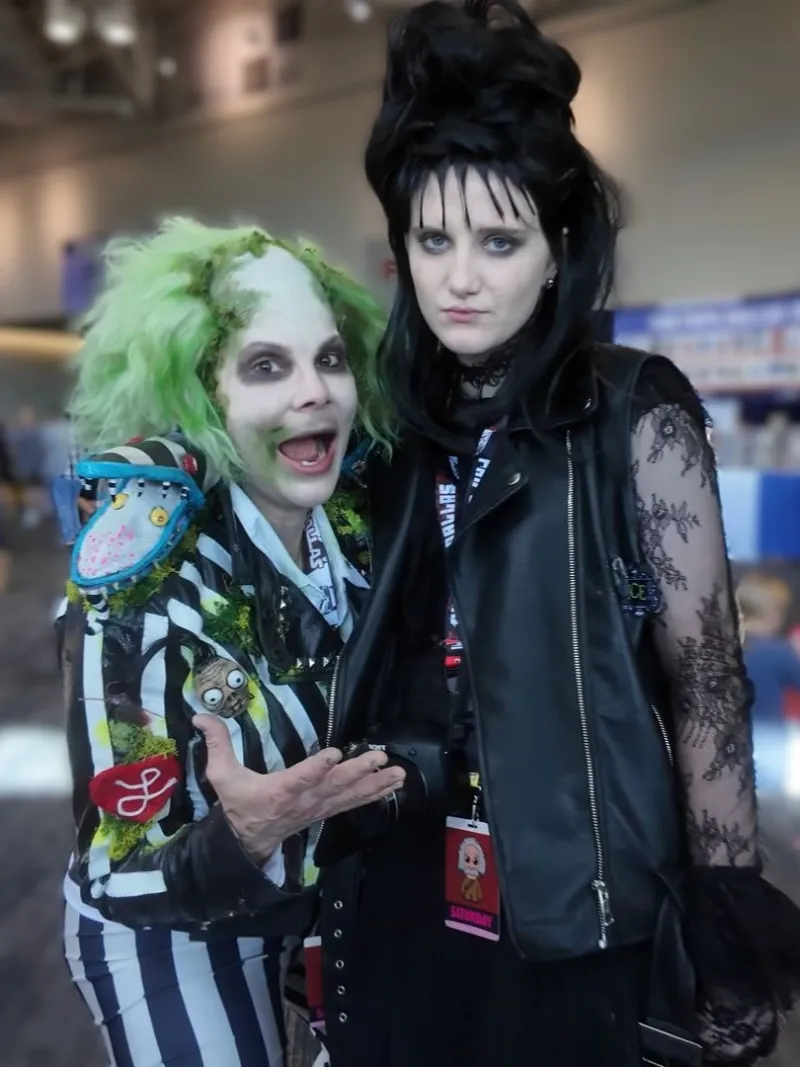
Photo: https://www.youtube.com/watch?v=kEhusgg4XIc&t, CC BY 3.0, via Wikimedia Commons
When the Audience Stops Waiting and Starts Creating
There's a moment that happens in a lot of fan spaces — a finale airs, a book ends badly, a beloved character gets sidelined for the hundredth time — and something shifts. The disappointment doesn't just sit there. It transforms. Into a Google Doc. Into a cosplay build. Into a fan album that somehow captures the emotional core of a story better than the source material ever did.
This isn't a fringe thing anymore. Fan creativity has become a full-blown cultural force, and it's time we stop treating it like a charming footnote to "real" art.
The Gaps That Sparked a Movement
Let's be real: mainstream entertainment has always left gaps. Stories that center white, straight, able-bodied protagonists. Relationships that get queerbaited into oblivion. Characters of color who exist only to support someone else's arc. For decades, fans — particularly those who saw themselves least reflected on screen — quietly, then loudly, started filling in what was missing.
Fanfiction archives like Archive of Our Own (AO3) now host over 11 million works. That's not a hobby. That's a publishing ecosystem. Some of those stories run longer than War and Peace. Some have better character development than the shows they're based on. And the readers? They know it.
Cosplay communities have evolved from convention floor fun into legitimate artisan craftsmanship. Builders are working with thermoplastics, 3D printers, and LED systems to create wearable sculptures that stop people cold. The skill level involved rivals professional costume design — because in many cases, it literally is professional costume design. Studios have started quietly recruiting from cosplay communities for exactly this reason.
Fanfic Didn't Become Literature — It Always Was
There's still a reflexive snobbishness about fanfiction in certain circles, and honestly, it reveals more about those circles than it does about the work. The tradition of transformative storytelling is ancient. Every adaptation of a Shakespeare play, every retelling of a Greek myth, every spin-off novel is, at its core, fan creativity operating under a different brand name.
What fanfic writers are doing — especially those working in marginalized communities — is corrective storytelling. They're writing the queer romance that the showrunners hinted at and then abandoned. They're giving the Black side character her own interior life, her own love story, her own narrative arc. They're exploring trauma with a specificity and tenderness that network television, terrified of alienating advertisers, simply won't touch.
And increasingly, the industry is taking notes. Several prominent TV writers and novelists have publicly acknowledged that their own work was shaped by years spent writing fanfic. The pipeline from fan spaces to professional storytelling is real, even if Hollywood doesn't always want to admit it.
Fan Music Is Having Its Moment
Maybe the most underrated corner of this whole conversation is fan music. We're not just talking about covers here. Fan musicians are creating original compositions inspired by fictional universes — concept albums built around video game lore, orchestral suites scored to book series, indie tracks that explore what a character might have felt during a pivotal scene.
Artists on platforms like Bandcamp and SoundCloud have built dedicated followings entirely within these creative spaces. Some have parlayed that visibility into scoring short films, producing original soundtracks, and landing sync deals. The sonic worlds fans are constructing have genuine artistic ambition, and they're finding audiences who are hungry for exactly that kind of depth.
Sustainable Careers Built on Community, Not Permission
Here's what's really changing the game: fans aren't just creating for love anymore — they're building careers. Patreon has been transformative here. A fanfic writer with a loyal readership can fund their creative work directly. A cosplay artist can sell tutorials, patterns, and workshop access. A fan musician can crowdfund an album.
This model is quietly radical. It bypasses the traditional gatekeeping infrastructure entirely. No agent, no publisher, no label deciding whether your work is commercially viable enough to exist. The community decides. And when the community is built around genuine passion and shared cultural investment, it turns out they're pretty good at sustaining the art they love.
None of this means fan creators don't face real challenges — copyright issues, burnout from community management, the emotional labor of being visible online. But the structural shift is undeniable. Fan artistry is no longer derivative in any meaningful sense. For a lot of audiences, it's the primary creative experience.
What the Industry Still Gets Wrong
For all the quiet recruitment and unofficial acknowledgment, mainstream entertainment still tends to treat fan creativity as either flattering background noise or an IP threat to be managed. That's a mistake — both ethically and strategically.
The fans who are creating at this level aren't just consumers. They're collaborators in the cultural meaning of these stories. They're the ones keeping franchises alive between seasons, building the emotional infrastructure that makes an audience actually care. Treating them as a nuisance, or worse, as content thieves, misses the entire point.
Some creators have figured this out. They engage with fan communities authentically, acknowledge transformative work publicly, and understand that a thriving fan creative ecosystem is a sign of genuine cultural resonance — not a problem to be solved.
The Art Is Already Here
If you haven't spent time in a fan creative space recently, it might be worth reconsidering your assumptions about what you'll find there. The writing is sharp. The visual art is stunning. The music is moving. And the community around it — the way people show up for each other's work, leave thoughtful comments, offer critique, celebrate milestones — has a generosity to it that's genuinely rare in the professional art world.
Fan communities are creating culturally significant work. They have been for a long time. The only thing that's changed is that the rest of us are finally starting to pay attention.